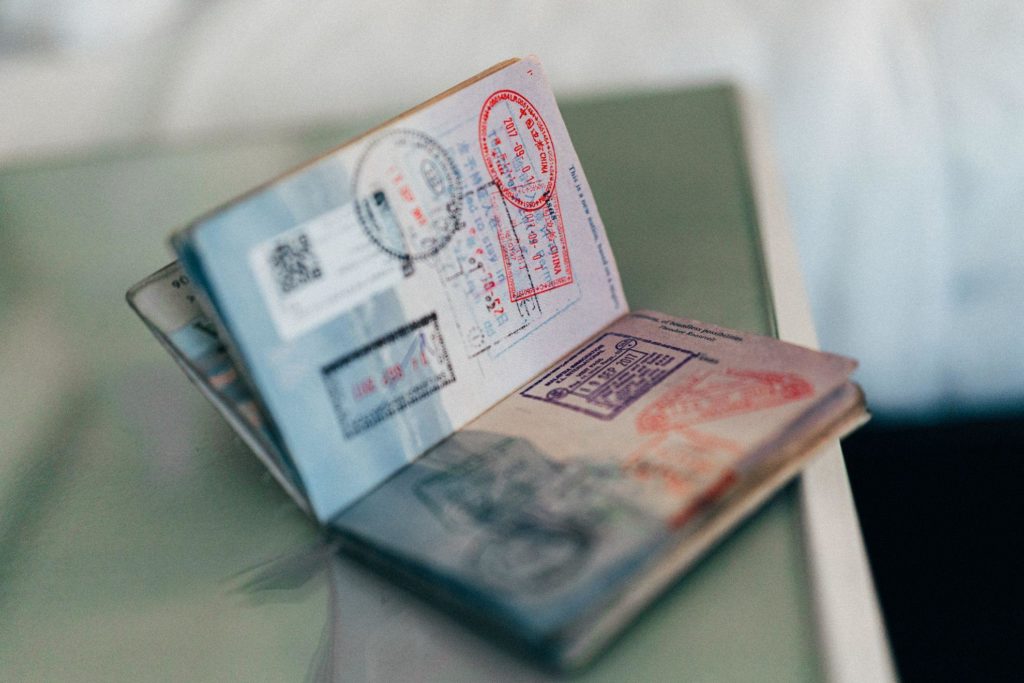


Retirement used to mean slowing down, settling into the same armchair, and watching the world go by. Not anymore. A growing wave of adventurous seniors is rewriting the script — swapping familiar streets for sun-drenched coastlines, vibrant foreign cities, and entirely new cultures. Retirees moving abroad has become one of the fastest-growing global lifestyle trends, and for good reason.


Maybe you’re hoping to reunite with adult children who have built their lives overseas. Perhaps you crave a warmer climate, a lower cost of living, or simply a bold new adventure to define your golden years. Whatever the motivation, retiring on a new continent is no longer a fantasy reserved for the ultra-wealthy — it’s a realistic, achievable goal for anyone willing to plan carefully.
That said, let’s be honest: this is not a long vacation. It’s a profound life transition with real logistical, financial, and emotional weight. This guide is designed for both the intrepid retirees preparing to take the leap and the adult children helping them navigate the journey. At Sunset Moving, we’ve helped countless families turn this dream into a smooth, joyful reality, and everything below is distilled from that experience.
Let’s walk through it — step by step.
Part 1: The Blueprint — Legal, Financial, and Medical Foundations
Before you browse apartment listings or scroll through photos of palm-lined beaches, you need a rock-solid foundation. Bureaucracy is tedious at any age, but crossing international borders adds layers you’ll want to tackle methodically. We strongly recommend starting this process 12 to 18 months before your intended move date.
Securing Your Legal Residency and Retirement Visa
You can’t simply land in paradise and stay indefinitely — legal residency is non-negotiable. The good news? Many countries actively court retirees with welcoming, well-structured visa programs.
- Retirement-specific visas: Some of the most popular options include:
- Portugal’s D7 Visa — a favorite for its lifestyle, healthcare, and tax benefits.
- Spain’s Non-Lucrative Visa (NLV) — designed for retirees with passive income.
- Panama’s Pensionado Program — one of the most generous retiree programs in the world.
- Costa Rica’s Pensionado Program — straightforward and long-established.
- Proof of stable income: These visas don’t require you to work. Instead, you’ll need to demonstrate reliable monthly income — typically from a state pension, private pension, investment returns, or rental properties.
- Supporting documents: Be ready to provide federal background checks, birth certificates, and marriage certificates. Pro tip: Nearly every official document will require an Apostille stamp and a certified translation by a sworn translator in your destination country.
Smart Money Moves: Pensions, Taxes, and International Banking
Crossing borders with your finances requires more than a good calculator — it requires a strategy.
- Receiving your pension abroad: Contact your home country’s pension administrator well in advance. Most Western governments will transfer pension payments to foreign accounts without issue, but currency fluctuations and conversion fees can quietly erode your monthly budget if you’re not paying attention.
- Double taxation treaties: Could you end up taxed by two countries? Possibly — unless there’s a Double Taxation Treaty in place. Before finalizing anything, consult an international tax advisor who specializes in expat retirement. This isn’t an optional expense; it’s a safeguard that typically pays for itself many times over.
- Banking setup: Once your visa allows, open a local bank account to handle rent, utilities, and daily spending. At the same time, keep a home-country account active. Services like Wise, Revolut, and Charles Schwab offer near-mid-market exchange rates and will save you thousands over the years compared to traditional bank transfers.
Overseas Health Insurance for Seniors: Your Most Important Investment
If there is one pillar that deserves your absolute focus, it’s this. Your healthcare needs will change with age, and uninterrupted, high-quality coverage is essential from day one — not day ninety.
- Public vs. private healthcare: Don’t assume you’ll immediately qualify for your new country’s public system. Even when you do, non-emergency waiting lists can stretch uncomfortably long.
- Comprehensive private coverage: Overseas health insurance for seniors is often a legal requirement for your visa application — and always a wise investment. Look specifically for policies that cover:
- Pre-existing conditions
- Inpatient hospitalization
- Prescription medications
- Medical evacuation and repatriation in the event of a major emergency
- Medical records: Before you leave, request full copies of your medical history. Have summaries of your major conditions, surgical history, and current prescriptions professionally translated into your new country’s language. A local doctor will thank you on your very first visit.
The Golden Rule of Housing: Rent Before You Buy
One of the most common — and expensive — mistakes retirees make is buying property abroad sight unseen, or based on the memory of a lovely two-week holiday.
Rent first. Always. Commit to at least six to twelve months in a rental before putting down roots. A neighborhood that feels magical in peak season can feel desolate in winter. Renting first lets you test what really matters:
- Is the home close enough to a quality hospital?
- Are there too many stairs for the long term?
- Is the local expat community welcoming, or isolating?
- Does the infrastructure — internet, water, transport — actually work as advertised?
Only after a year of lived experience should you consider signing a purchase contract.
Part 2: Logistics — Packing, Moving, and a Stress-Free Journey
Shipping a full household across a continent is expensive, slow, and — frankly — rarely worth it. This phase rewards those who plan with discipline and a clear sense of priority.
The Art of Downsizing: Less Is More
Paring down a lifetime of belongings into a few suitcases and cartons is one of the most emotionally demanding parts of the entire move. This is where adult children can provide extraordinary support.
- Embrace intentional minimalism. Bring only what you genuinely need and what carries real sentimental weight.
- Digitize your memories. Old photo albums weigh a ton and take up huge amounts of space. Scan them, store them in the cloud, and frame only a handful of favorites to bring along.
- Sell, donate, and gift with purpose. Organize an estate sale, donate to causes you care about, and pass family heirlooms to your children now, while you can enjoy seeing them cherished.
- Replace, don’t ship. It is almost always cheaper to buy furniture, televisions, and kitchen appliances at your destination than to ship them overseas. On top of that, electrical standards (110V vs. 220V) mean many of your home appliances simply won’t work abroad.



Navigating Your International Move with Professional Help
If you’ve decided to bring furniture, keepsakes, or a large number of boxes, please don’t try to coordinate international freight on your own. This is one of those moments in life where expertise pays for itself many times over.
At Sunset Moving, we specialize in exactly this: international retirement planning from a logistics perspective. Our team handles everything from expert packing and customs declarations to port-to-door delivery in your new country — so you can focus on the emotional side of this transition while we manage the details. A reputable, fully insured international mover removes the single largest source of stress from the relocation process.
Relocating Your Beloved Pet Across Borders
If a furry companion is joining you on this adventure, start the process months in advance. Different continents enforce very different rabies protocols, quarantine rules, and documentation requirements. At minimum, you’ll likely need:
- An up-to-date microchip
- Specific vaccinations administered in the correct order
- Titer blood tests (sometimes required several months before travel)
- USDA or equivalent government-endorsed health certificates
- Country-specific import permits
A specialized pet relocation service is well worth the investment for peace of mind.
Planning a Comfortable, Healthy Long-Haul Flight
Long-haul travel can be physically demanding, especially later in life. The flight itself deserves thoughtful planning.
- Invest in comfort. If business class isn’t realistic, at least book premium economy or seats with additional legroom. That extra space matters enormously over ten or more hours.
- Request airport mobility assistance. Even if you walk perfectly well, navigating a massive international hub with luggage is genuinely exhausting. Wheelchair assistance at airports is free, conserves your energy, and typically gets you through security and immigration faster. Request it when you book your ticket.
- Protect your circulation. Wear compression socks, take short aisle walks every hour or two, stay hydrated, and skip the alcohol. These small steps meaningfully reduce the risk of Deep Vein Thrombosis (DVT).
- Guard your medications. Never — under any circumstances — pack essential medication in your checked luggage. Carry at least a 90-day supply in your hand luggage, kept in original pharmacy bottles, accompanied by a signed letter from your doctor.
Part 3: The Psychological Journey — Adapting to Your New Environment
The paperwork is signed. The boxes are unpacked. The initial excitement begins to fade, and reality settles in. Welcome to the most underestimated part of expat retirement: the emotional adjustment.
Adapting to a new culture is a journey in its own right — one that rewards patience, humor, and an open mind.

Understanding the Four Stages of Culture Shock
Culture shock is real, and it affects everyone — no matter how well-traveled you are. It typically unfolds in four stages:
- The Honeymoon Phase. Everything feels magical. The food is exquisite, the locals are charming, and every sunrise feels like a postcard.
- The Frustration Phase. Reality bites. Setting up internet takes three visits. Your favorite brand of coffee doesn’t exist. The language barrier feels exhausting, and homesickness peaks.
- The Adjustment Phase. You start cracking the local code — you master the bus system, find a reliable butcher, and build your first few friendships.
- The Acceptance Phase. The foreign becomes familiar. You stop comparing and start belonging. Your new country simply feels like home.
If you hit the frustration phase and briefly wonder whether you made a mistake — breathe. That feeling is a universal part of the process, not a sign you’ve failed. Push through it.
Building Your New Daily Routine
When you no longer have work to structure your week, and you’re living somewhere unfamiliar, the days can start to feel shapeless — and loneliness can sneak in fast.
The antidote is routine. Establish anchor points that give your days rhythm:
- A morning walk to the local bakery
- Tending a small garden or balcony plants
- A dedicated reading or writing hour
- A 4:00 PM coffee at the neighborhood plaza
- A weekly market trip you genuinely look forward to
Our brains crave predictability. A steady routine quietly signals to your mind that you are safe, settled, and home.
Creating a Strong Social Safety Net Abroad
Isolation is the single greatest threat to a happy retirement abroad. Be proactive about building connection from day one.
- Tap into expat communities. Facebook groups, Meetup events, and local expat associations are gold mines of first-hand advice (“Which plumber speaks English?” “How do I pay my water bill?”) and — more importantly — instant friendships with people who understand exactly what you’re going through.
- Don’t live in an expat bubble. Make a genuine effort to engage with locals. Join a chess club, a walking group, a cooking class, a choir, or a gardening society. Shared activities create natural, meaningful friendships.
- Learn the language — at least the essentials. Nobody expects fluency in your seventies. But a few dozen well-practiced phrases (greetings, ordering food, asking for directions, basic medical terms) will completely transform your daily life. Better yet, enroll in a local language school — it’s wonderful for cognitive health and one of the best ways to meet other newcomers in exactly the same situation.
Locals deeply appreciate the effort, even when your grammar is imperfect. A warm smile and a bumbling attempt in their language opens doors a tourist will never see.

Part 4: The Role of Adult Children — Supporting From Afar
If you’re the adult child helping your parents move abroad, your role is shifting from physical helper to emotional and logistical anchor. This is one of the most meaningful gifts you can give them.
- Set up their digital lifeline. Before they leave, make sure they’re comfortable with WhatsApp, FaceTime, and Zoom. Teach them how to use a VPN if they want to keep watching news or shows from home.
- Create a predictable communication rhythm. A standing Sunday morning video call gives everyone something to look forward to and eases the ache of distance. Consistency matters more than frequency.
- Draft a clear emergency plan. Keep written contact information for their local doctor, landlord, at least one trusted neighbor, and their insurance provider. Hold copies of their health insurance policy numbers, passport, and visa documents.
- Validate before you problem-solve. When they vent about bureaucracy or a frustrating day, resist the urge to suggest they “just come home.” Sometimes they simply need to be heard. Remind them of their courage, and remember: moving to a new continent is hard — and they chose to do it anyway.
Conclusion: The Reward Is Worth the Effort
Relocating to a new continent in retirement is a bold, courageous decision. It demands meticulous planning, patience with foreign bureaucracy, and genuine emotional resilience. But here’s the truth we’ve seen again and again in our work: the rewards are almost always greater than the challenges.
Retiring abroad opens the door to new cultures, warmer climates, richer friendships, and expanded horizons you simply cannot access from a familiar armchair. It’s a chance to keep growing — to keep discovering — in a chapter of life that was never meant to be quiet.
Be patient with yourself. Adapting to a new life is a marathon, not a sprint. With your legal and financial foundations in place, your overseas health insurance for seniors secured, and a reliable moving partner like Sunset Moving handling the logistics, your golden years on a new continent can truly become the most rewarding adventure of your life.
FAQ
Absolutely. As long as you’ve thoroughly researched your destination’s healthcare system and secured comprehensive international health insurance, living abroad is remarkably safe. Many retirees report that a warmer climate and a slower pace of life actually improve their physical mobility and mental well-being.
In most cases, no. Most developed countries continue paying earned pensions regardless of where you live. However, the fine print matters — taxation, inflation indexing, and currency exchange all vary depending on the treaties between your home country and your new residence.
You don’t need fluency to live happily abroad. Focus on functional, everyday vocabulary. Modern technology is a genuine equalizer — apps like Google Translate let you photograph a menu, sign, or document and read it instantly in your native language. Voice translation covers most day-to-day interactions beautifully.
Financial advisors generally recommend against making irreversible decisions right away. If possible, rent out your home for the first year rather than selling. This gives you a steady income stream and — more importantly — a safety net. If you decide expat life isn’t for you, you have a home to return to. If you love your new life, you can sell with confidence later.
Bring a 90-day supply to bridge the transition. Research whether your specific medications are legal and available in your destination — drug names and availability vary significantly by country. Once settled, establish a relationship with a local doctor who can reissue your prescriptions on a local protocol.
Ready to start planning your move? The team at Sunset Moving specializes in helping retirees and their families relocate internationally with confidence — because your next chapter deserves a smooth start.