

More young professionals are trading cold winters and rising bills for a balcony in Chiang Mai or a seaside condo in Phuket. In 2026, relocating to Thailand from the US has become one of the smartest career moves an ambitious remote worker can make, thanks to flexible visas and a cost of living that lets your income go much further.
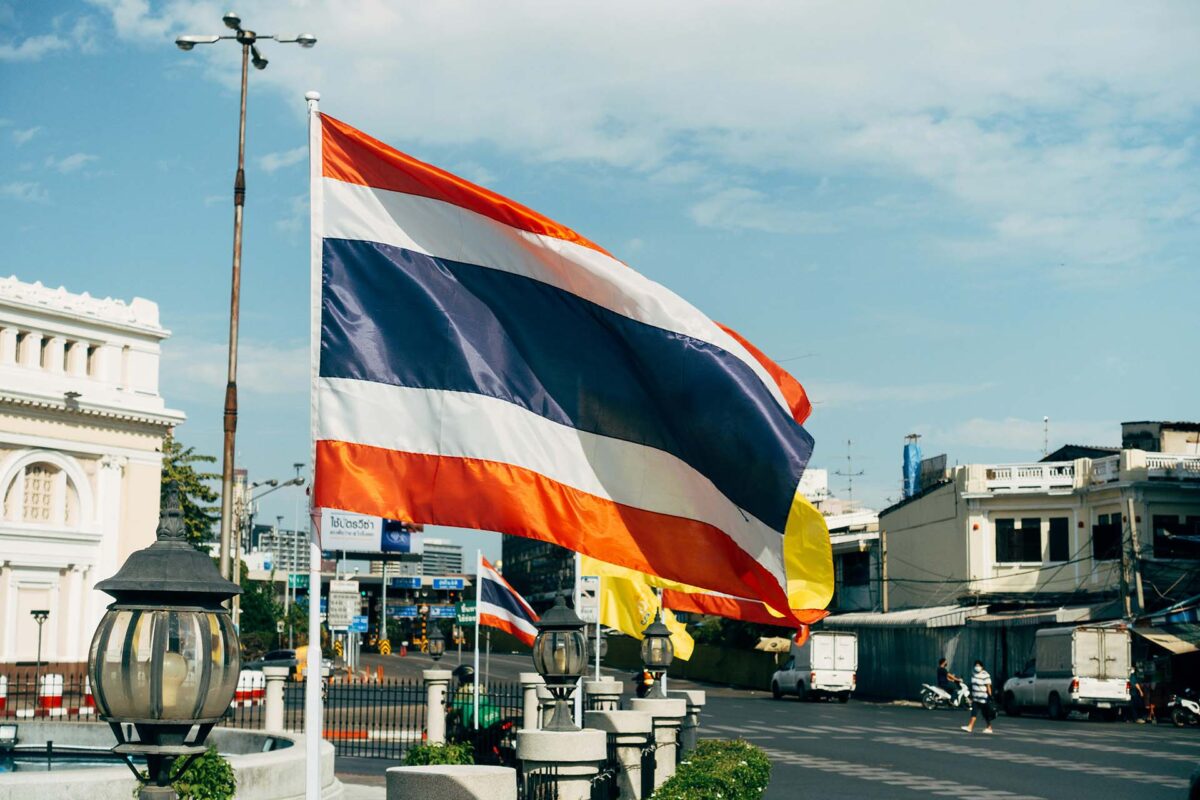

Why 2026 Is the Year Americans Are Choosing Thailand
Moving from the United States to Thailand is a major life and logistics change. In 2026, two forces are pushing more Americans to make the jump. The first is the rising cost of living at home, where rent and daily expenses keep climbing. The second is the wave of new visa options built for digital nomads and retirees.
Together, these two shifts have created a real boom in American expats settling across the country. Remote work made your location optional. Thailand made it appealing. Software engineers, freelancers, and founders are learning that working from Southeast Asia offers a rare mix of career growth, comfort, and calm.
There is also a strong community waiting for you. Thailand has spent years building an ecosystem of coworking hubs, meetup groups, and expat networks. You can arrive as a stranger and, within a few weeks, build a circle of founders, freelancers, and remote employees who understand exactly what you do.
The Sabai Sabai Balance: Leaving Corporate Hustle Behind
American work culture often ties your worth to how many hours you log at a desk. Daily life in Thailand runs on a different rhythm known as Sabai Sabai. The phrase describes a state of calm, comfort, and easy well-being. It is not about being lazy. It is about staying productive while keeping your peace of mind.
When you base your remote career in Thailand, your whole relationship with work changes for the better:
- Better workspaces: Swap cramped cafes for professional co-working spaces in Bangkok, with fast fiber internet, private call booths, and international networking events.
- Time-zone freedom: Working with US clients from Southeast Asia keeps your mornings wide open. You can train Muay Thai, visit a temple, or grab a fresh fruit smoothie before you log on.
- Less burnout: Instead of sitting in evening traffic, your after-work routine might be a quiet swim or dinner at a lively night market.
This shift goes beyond scenery. When your surroundings feel calmer, your focus tends to sharpen and your output often improves. Plenty of professionals report getting more done in fewer hours once the long commute and the constant money stress fade into the background.



The 2026 Visa Options: DTV and SMART Visas
For years, digital nomads relied on tourist runs and short extensions to stay in the country. That uncertainty is over. Thailand now offers long-term visas made specifically for remote workers and founders.
| Visa Type | Key Highlights and Benefits |
|---|---|
| Destination Thailand Visa (DTV) | Valid for up to 5 years with 180 day stays. Built for freelancers and remote workers. Low barrier to entry. |
| SMART Visa | Aimed at IT, tech, and startup founders. Waives standard work permit rules. Includes fast-track airport privileges. |
The Destination Thailand Visa (DTV)
The Destination Thailand Visa (DTV) is the top choice for remote employees, freelancers, and digital nomads. It gives you a legal five-year framework to live in the country, with stays of up to 180 days at a time. You can extend locally without leaving. You mainly need proof of remote work or freelance contracts, plus enough liquid funds to support yourself.
The SMART Visa for Tech Professionals
Engineers, software developers, and startup founders can look at Thailand’s SMART Visa. This program offers long-term residence, waives standard work permit rules, and adds fast-track entry perks at major airports. It is built for people who want to launch a tech venture in Asia without the usual red tape.
Cost of Living: The US vs Thailand
The biggest reason people cross the Pacific is simple math. Your money goes much further in Southeast Asia. Rent, groceries, and healthcare in major US cities keep eating into your paycheck. In Thailand, you can live well and still save a large share of your remote income.
| Monthly Expense | Average US City | Thailand Expat Standard |
|---|---|---|
| Modern 1-bed apartment | $2,200 to $3,500 | $450 to $850 (pool and gym included) |
| Dining out (mid-tier or street) | $30 to $60 per meal | $3 to $12 per meal |
| Comprehensive health cover | $450 to $800 / month | $60 to $140 / month |
| Local transportation | $150 to $300 (gas, parking) | $30 to $60 (Skytrain, rideshare) |
| Coworking and fast internet | $250 to $400 / month | $80 to $150 / month |
The numbers tell a clear story. A comfortable, high-quality lifestyle in Thailand often costs a fraction of what you would pay in a major US city. That gap is exactly what lets remote professionals build savings while enjoying a better day-to-day life.
Lower costs also change how you plan your future. The money you save each month can go toward paying off debt, investing, or building a safety net that felt out of reach back home. For many young professionals, that financial breathing room is the real reason they decide to stay.

Where Should You Settle? Top Expat Destinations
Thailand is not one single place. Different regions suit different routines, budgets, and personalities. Here are the three areas most professionals consider first.
Bangkok: The High-Energy Capital
If you love fast city life, rooftop lounges, great dining, and modern transit, Bangkok is hard to beat. Neighborhoods like Thonglor, Sukhumvit, and Sathorn attract young global professionals with high-rise condos, all-day cafes, and quick BTS Skytrain links. It is a strong base if you thrive on energy and want the widest choice of coworking spaces.
Chiang Mai: The Digital Nomad Hub
Set in the lush northern mountains, Chiang Mai is famous among digital nomads. It offers a slower pace, rich northern Thai food, hundreds of historical temples, and a dense community of remote workers. It suits creators, developers, and writers who prefer quiet evenings and cool mountain air over busy nightlife.
Phuket and Koh Samui: The Island Life
If you want the ocean at your doorstep, the southern islands deliver high-end coastal living. You get beachfront condos, world-class diving, and international airports that make weekend trips across the region effortless. This is the pick for professionals who want their downtime to feel like a permanent vacation.

Tropical Weekends and a Rich Local Culture
Life in Southeast Asia is not only about lower bills. It is also about what you get to do when you close the laptop.
- World-famous food: From Michelin-recognized street stalls serving Pad Krapow and Mango Sticky Rice to high-end fusion dining, the food culture here is hard to match.
- Easy travel: Bangkok is a hub for affordable regional flights. Short two-hour trips to Singapore, Vietnam, Bali, or Malaysia are simple to fit into a weekend.
- Active living: Stay in great shape with cheap access to Muay Thai camps, yoga retreats, surf spots, and modern gyms built into most condo buildings.
A weekend here can start with a jungle waterfall trek, roll into a poolside afternoon, and end at a night market. That kind of variety is part of what keeps people from ever moving back.
Customs and Tropical Logistics: What to Plan For
Moving your life more than 8,000 miles across the Pacific brings real challenges. Thailand’s tropical climate and strict customs rules mean you need to plan carefully before you ship anything.
Protecting Electronics from Humidity and Sea Air
Remote professionals depend on their home office gear. Monitors, standing desks, mechanical keyboards, and audio equipment all travel through humid ports on the way over. Standard cardboard boxes will not cut it. Your electronics need moisture-sealed packaging and desiccant protection to arrive in perfect working order.
Clearing Thai Customs Without Delays
Importing household goods into Thailand requires specific paperwork. Missing or incorrect documents can lead to delays, extra import duties, or long holds at Laem Chabang port. Experienced international movers make sure your inventory lists, entry forms, and visa status all line up with customs requirements.
How Sunset Moving Handles Your International Relocation
Moving across the world should not mean losing sleep over logistics. At Sunset Moving, we manage complex, long-distance international moves so you can focus on starting your new chapter in Asia.

Cost-Effective Shared Containers (LCL)
If you are not shipping a full four-bedroom house, paying for an entire 40-foot container is a waste of money. We offer Less than Container Load (LCL) options, so you share container space with other shipments. You pay only for the volume your gear takes up. That makes it the smart, budget-friendly choice for professionals who travel light.
Specialized Packing for Your Tech
We treat your home office like the income tool it really is. Our team uses commercial-grade, anti-static, moisture-resistant wrapping made to handle long sea voyages through high-humidity zones. Your monitors and devices are protected from the first mile to the last.
Full Door-to-Door Service
From picking up your gear at your US apartment to clearing Thai customs and carrying items into your new condo in Bangkok or Chiang Mai, Sunset Moving handles the heavy work at every step. You track your shipment along the way and simply wait for it to arrive.
We know how much your setup matters to your income, so we treat every shipment as if your business depended on it. Clear communication, careful handling, and honest timelines are our standard, not the exception. That way you can plan your first working week in Thailand with confidence.
Your Thailand Relocation Checklist
Before you book your ticket, run through this practical list to keep your move on schedule:
- Secure your visa early: Apply for the DTV or SMART Visa six to eight weeks before your target move date.
- Audit your electronics: Check that your monitors and chargers support dual voltage (110V to 240V). Thailand uses 220V outlets.
- Get health insurance: Choose a global policy that covers private care at top hospitals like Bumrungrad or Samitivej.
- Set up banking and FX: Open international-friendly accounts and use low-fee services like Wise to convert USD to Thai Baht efficiently.
- Book your move: Contact international shipping specialists early to lock in container space and line up your delivery schedule.
Your Tropical Sunset Is Closer Than You Think
Trading corporate burnout for a balanced, vibrant life in Southeast Asia is more achievable than it looks. With the right visa, affordable comfort, and a trusted moving partner handling your transport, your move to Thailand can start smoothly. Sunset Moving is ready to carry your home office safely across the Pacific, so you can log in from your tropical base without missing a single workday.
FAQ
Yes. Thailand consistently ranks among the safest countries in Southeast Asia for foreign residents and solo travelers. Violent crime against expats is rare, and major cities keep a calm atmosphere both day and night.
Yes. You can bring pets into Thailand as long as you meet the official import rules. That includes microchipping, rabies vaccinations, and a pet import permit from the Thai Department of Livestock Development before arrival.
Thailand has some of the fastest fiber-optic internet in the world. Most modern high-rise condos and coworking hubs offer download speeds above 300 to 500 Mbps, which makes video calls and large file transfers easy.