

Retirement should feel like a reward, not a math problem. Yet with living costs rising every year across the United States, many seniors watch their savings shrink faster than they had planned. A growing number of Americans have found a graceful way out of that worry: retiring in Mexico. Just south of the border, they discover warm weather, welcoming communities, and a cost of living that lets a fixed income go much further.
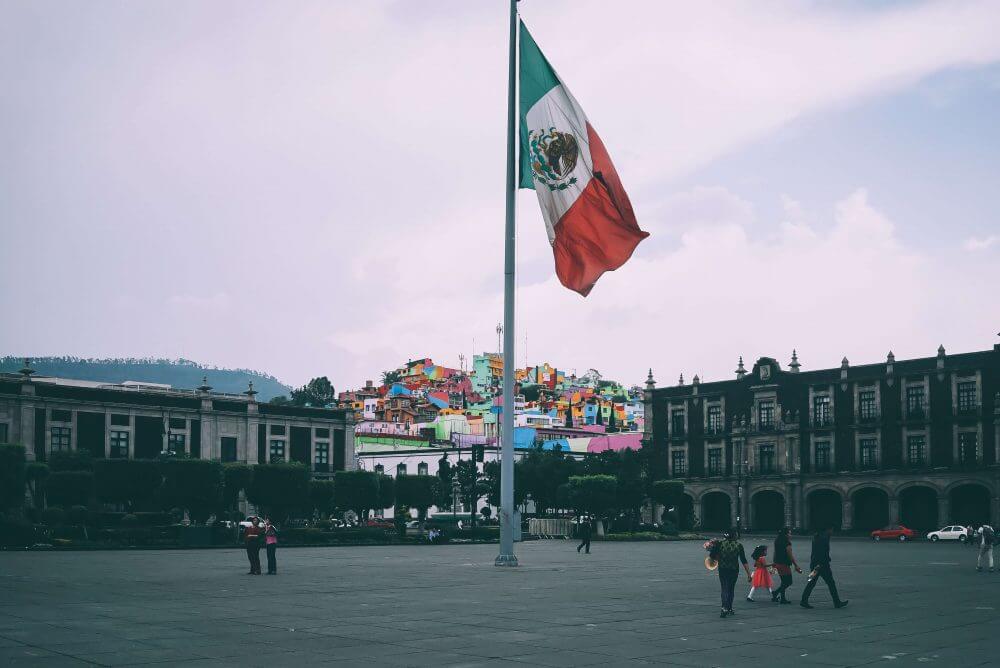

What Is It Like Living in Mexico as a Senior?
Ask any retiree who has made the move, and they will describe a life that slows down in the best possible way. Mornings often start with fresh coffee from a local market instead of a rushed commute. Afternoons might include a walk through a colonial plaza, lunch with new friends, or simply relaxing on a terrace while the ocean breeze rolls in. Many expats say they feel more connected to their neighbors here than they ever did back home, thanks to close-knit communities that welcome newcomers with open arms. For seniors who worried retirement might mean isolation, Mexico often delivers the opposite: a full social calendar, plenty of activities, and a renewed sense of purpose.
Your Moving to Mexico Cost Guide: Everyday Expenses
Money is usually the first question on every retiree’s mind, and the numbers tell an encouraging story. This moving to Mexico cost guide starts with the basics: the average Social Security check in the United States sits at just under $2,000 a month in 2026, which barely covers rent in many American cities, let alone groceries and healthcare. In Mexico, that same amount can fund a comfortable, even generous lifestyle. A couple can live well on a monthly budget between $1,800 and $2,500 USD, while a single retiree often manages comfortably on $1,500 to $2,000 USD.
Here is where that budget typically goes:
- Groceries and fresh food: Local markets overflow with fresh produce, quality meats, and seafood. A couple can expect to spend between $300 and $400 USD a month.
- Dining out: A satisfying meal at a local restaurant often costs less than $10 USD, so eating out several times a week stays easy on the wallet.
- Household help: Hiring a housekeeper or gardener a few days a week costs a fraction of what it would in the United States, freeing up time for hobbies and relaxation.
- Utilities: Water, gas, electricity, and high-speed internet usually total between $100 and $150 USD a month, unless air conditioning runs constantly through the summer.
These lower costs add up quickly. They ease the financial pressure that keeps so many American retirees up at night and leave more room in the budget for the things that actually matter.
Renting vs. Buying: Finding Your Place in the Sun
Whether the dream is a beachfront condo or a colonial home with a courtyard fountain, Mexico’s housing market has something for nearly every taste and budget. One of the most useful relocation tips for seniors moving to Mexico is simple: rent before buying. Spending a season in a rental gives new arrivals time to learn a neighborhood’s rhythm, test the climate through different months, and confirm the community feels like home before making a permanent commitment.
Rental Costs and Flexibility
Rental prices remain remarkably accessible. Fully furnished one- or two-bedroom homes in safe, desirable neighborhoods typically rent for $600 to $1,200 USD a month, with even lower prices available outside the main tourist areas.
Buying Property in Mexico
Buying is also straightforward, even for foreign nationals. In the interior of the country, buyers can hold a direct deed. Closer to the coast or the border, Mexican law requires a bank trust called a fideicomiso. This arrangement still grants full ownership rights, including the right to sell, lease, or pass the property to heirs, while a Mexican bank simply holds the title on the buyer’s behalf. It is a secure, well-established system that has allowed thousands of Americans to own a home by the sea with complete peace of mind.

Healthcare in Mexico: Excellent Care at a Fraction of the Cost
Healthcare tops the list of concerns for almost every senior considering a move abroad, and Mexico consistently puts those worries to rest. The country’s private healthcare system is modern and highly regarded, staffed by many doctors who trained in the United States and speak fluent English. Retirees often describe their care as more personal too, with physicians who take real time during appointments, share their personal phone numbers, and even make house calls, a level of attention that has grown rare in American medicine.
The prices reflect that same generosity:
- General practitioner visit: $20 to $35 USD.
- Specialist visit (cardiology, neurology, and similar fields): $40 to $60 USD.
- Dental cleaning: $30 to $50 USD.
- Major surgery: typically 50 to 70 percent less than comparable procedures in the United States, using the same advanced equipment and standards of care.
Medicare does not extend coverage outside the United States, but private Mexican health insurance for expats is widely available and usually costs far less than American premiums. Many retirees simply pay out of pocket for routine visits, since the prices are so reasonable, and reserve insurance for larger, unexpected events.
Best Neighborhoods to Retire in Mexico
Home to the largest concentration of American and Canadian expats in the world, this region near Guadalajara enjoys a spring-like climate all year, active social clubs, and easy access to excellent medical care in the nearby city.
A favorite for retirees who want ocean views, exceptional dining, and a lively arts scene, all wrapped around the stunning Bay of Banderas.
This UNESCO World Heritage city charms visitors with cobblestone streets and baroque architecture, drawing a strong community of writers, artists, and culture lovers.
Often called the safest city in Mexico, Mérida offers rich Mayan history, beautiful colonial homes, and a notably low cost of living, though summers can run hot.
Each of these places has its own personality, so it is worth visiting more than one before settling on a favorite.
Close to Home: Family, Flights, and Peace of Mind
Compared to retirement destinations in Asia or Southern Europe, Mexico offers a major advantage: proximity. There is no need for an exhausting overnight flight just to see loved ones. Retirees stay in familiar time zones, which makes video calls with grandchildren, or catching a favorite sports game, refreshingly simple.
Short, direct flights from most major American cities also mean that visiting family, attending important events back home, or hosting children for a beach vacation stays easy and affordable. Retiring abroad no longer has to mean feeling far away from the people who matter most.



Relocation Tips for Seniors Moving to Mexico
A successful move takes more than excitement. It takes a bit of planning. These relocation tips for seniors moving to Mexico can help make the transition smooth from the very first step:
- Visit before you commit. Spend time in a few different regions to see which climate and pace of life feels right.
- Start with a rental. Give yourself the flexibility to change course before buying property.
- Organize paperwork early. Passports, visa applications, medical records, and financial documents should all be gathered well before moving day.
- Talk to the bank. Understand how to access Social Security payments and manage finances across two countries.
- Downsize thoughtfully. Decide early which furniture and belongings are worth shipping and which are better sold or left behind.
- Work with professionals who understand international moves. Crossing a border involves far more logistics than crossing town.
Taking these steps early removes much of the stress that can otherwise overshadow an exciting new chapter.

Working With Long-Distance Movers to Mexico
Retirement should be about celebration, not wrestling with bubble wrap or untangling customs paperwork. This is exactly where working with experienced long-distance movers to Mexico makes all the difference. At Sunset Moving, the team understands that a move like this involves far more than transporting furniture. It means handling family heirlooms, irreplaceable keepsakes, and years of memories with genuine care.
One of the biggest hurdles in any international move is bureaucracy, and Mexico is no exception. Returning nationals and qualifying residents can import their household goods duty-free through a process called the Menaje de Casa. It requires precise inventories, consulate appointments, and strict formatting, which can overwhelm anyone doing it for the first time.

Sunset Moving guides clients through every step of this process and works directly with customs brokers to keep belongings moving smoothly across the border without unexpected fees or delays.
Full-service packing is available for retirees who would rather not lift a single box. Custom crating protects artwork, pianos, and other delicate items, while every box is labeled to match the documentation required for the Menaje de Casa. For those renting a smaller place while they search for a permanent home, secure short-term and long-term storage keeps larger furniture safe until it is needed.
Car Shipping to Mexico: Should You Bring Your Vehicle?
Many retirees wonder whether to bring their car along or simply buy one after arriving. Mexico’s public transportation and taxi services are excellent, but having a personal vehicle still offers a level of freedom that many seniors are not ready to give up.
Vehicle import rules depend on residency status. Temporary residents can obtain a temporary import permit that allows their car to stay in Mexico for the length of their visa. Permanent residents face more complex requirements, which is why many eventually choose to sell their American vehicle and buy one locally instead. Either way, driving a fully loaded car across the border makes for a long, tiring trip with real risks along the way. Car shipping to Mexico through a professional auto carrier removes that burden entirely, delivering the vehicle safely to its new home while its owner enjoys a comfortable flight instead.

Building Your International Moving Checklist
Every move to Mexico benefits from a clear international moving checklist, especially when it comes to timing and logistics. Most household goods travel through major border crossings in Texas, Arizona, or California. Laredo, Texas tends to handle moves headed to the central highlands, including Lake Chapala and San Miguel de Allende, while crossings near San Diego or Nogales serve those relocating to the Baja Peninsula or the Pacific Coast.
A solid checklist should include the following:
- Confirming visa and residency status before shipping goods.
- Preparing Menaje de Casa documentation in advance.
- Scheduling pickup and delivery windows around consulate appointments.
- Deciding whether to ship a vehicle separately.
- Arranging temporary storage if the new home is not ready on arrival.
From the day belongings are packed to the day they arrive at a new front door in Mexico, the full process generally takes between 14 and 28 days, depending on the origin city and the final destination. Working with a team that handles interstate transit, border staging, and customs clearance under one roof keeps the entire journey predictable and far less stressful.
Your Next Chapter Starts South of the Border
Retiring in Mexico is about more than stretching a budget further, though that alone makes a compelling case. It is an invitation to slow down, reconnect with what matters, and enjoy a season of life that finally feels unhurried. With affordable healthcare, welcoming communities, and a cost of living that eases years of financial worry, it is easy to see why so many Americans are choosing to spend their retirement south of the border.
For anyone ready to take that next step, Sunset Moving is here to make the transition feel effortless. From packing and customs paperwork to vehicle transport and final delivery, the team manages every detail so retirees can focus on the adventure ahead instead of the logistics behind it.
FAQ
Popular retirement destinations such as Lake Chapala, Mérida, Puerto Vallarta, and San Miguel de Allende are considered quite safe, and many expats say they feel more secure there than they did in large American cities. As with any relocation, using common sense and staying aware of local conditions goes a long way.
The Menaje de Casa is a certificate from a Mexican consulate that allows residents to bring their used household goods into the country without paying import duties. It can only be used once, and skipping it can lead to steep taxes or even denied entry for personal belongings. An experienced moving company can help make sure this paperwork is completed correctly the first time.
Yes. Social Security benefits continue as normal and can be deposited into an American bank account, accessed through Mexican ATMs, or transferred directly into a Mexican account.
Not in most popular expat areas. English is widely spoken in restaurants, medical offices, and shops throughout communities like Ajijic and Puerto Vallarta. Even so, learning a few basic phrases helps build stronger relationships with neighbors and local businesses.
Timing depends on the starting point in the United States and the final destination in Mexico, but most moves take between 14 and 28 days from pickup to delivery, once interstate transit and border customs clearance are factored in.