

Three hundred forty days of sunshine, the beautiful landscape, white sandy beaches, crystal clear waters – who wouldn’t want to live in the islands? Moving to the Bahamas sounds almost like a dream, and if you had the chance, we’re sure you would take it. But if you’re serious about moving to the Caribbean islands, you better read up on what it takes to live there. Here is a complete guide for relocating to the Bahamian Islands for expats to help you get started.

Cost of Living and Moving To the Bahamas from the US
The idea of living in a place called “Paradise Island” would have you believe that everything there comes easy; that couldn’t be further from the truth. The cost of living in Bahamas is more expensive than in the US. For example, staying in Nassau on New Providence Island is 10% more expensive than living in Chicago. So you’ll have plenty of moving stress to deal with, at least where finances are concerned. On the plus side, staying there is nearly tax-free.
Renting After Relocating to Bahamas
There are many different areas to rent on the island, and most of them are quite lovely, depending on where you are. Renting can also be complicated if you aren’t sure how to get an apartment out of state. Assuming you want to stay somewhere new and safe with easy access to necessities or nearby beaches, renting in the Bahamas can cost you anywhere from $2,500 to over $4,000. It depends on your circumstances, too. For example, traveling with more than one person or having kids or pets can change the expenses.
Another thing to consider is that most landlords require a full deposit and first month’s rent, and in some cases, the last month’s rent. On top of that, you’ll have to get utilities, internet, and cable. The internet is relatively the same cost as in the States, but services can add up to almost as much as rent if you aren’t careful.
Getting Groceries and Essentials
Remember that, for the most part, the Bahamas gets much of its money from tourism each year, so many establishments are for tourists. With that, many services and places to buy food and essential products are more expensive. For comparison, getting groceries for one person in Los Angeles costs anywhere from $150 to $250 a month. In Nassau, it’s 17% higher to get groceries.
Visa Requirements for Americans Working in The Bahamas
The Bahamas is an independent country so, if you plan on moving internationally there, you need to have a firm understanding of the immigration rules.
Know The Bahamas Immigration Rules Before Moving Overseas
Before entering the island nation, it’s essential to understand the visa requirements, especially if you’re looking for temporary or permanent residency. If you’re visiting, you can enter the city for up to 120 days. If you’re seeking residency, there are some steps you have to take and documents needed to travel abroad beforehand. First, you have to know what different types of permits there are and understand the moving abroad terms:
- Permanent Resident Visa – Permanent residency allows you to stay in the Bahamas freely for life. It’s the most expensive visa and has several options with specific requirements before paying application and registration fees. You’ll also be required to provide a source of income for some options.
- Annual Resident Visa – This visa applies if you plan on visiting the island every year for an extended period. During this time, you can get your permanent residency if you wish. The requirements are to fill out an immigration form, reasons for wanting to reside in the country, several personal information documents, passport photos, and other related costs.
- Home Owner’s Card – You can get this card if you plan on owning new property in the country, for which you are required to fill out an immigration form, and have information documents, proof of property investment, or property ownership, including deeds, contracts, or conveyances. You will need to pay a property tax.
Requirements for Work in The Bahamas
If you choose to relocate to the Bahamian islands, you’re going to need to have a source of income. As most expats do, you’ll probably make a portion, if not most, of your earnings online. However, should you consider moving overseas for a job in the Bahamas, you’ll have to acquire a working permit. To get it, you first have to fill out an application and have it notarized. Then you submit it to the department of labor with several supporting documents. They include a letter of request from the employer, a copy of the bio-data page from your passport, a police certificate of character, medical information, and inform yourself of important relocation questions to ask the employer.
What to Bring When Moving to The Bahamas
Even though you won’t be moving across the world, shipping overseas presents challenges and is a form of culture shock. This is all the more reason to come prepared for the changes you’re about to experience. Make sure you pack correctly for a smooth transition by bringing the following:
- Warm clothes – Tropical islands are always warm or scorching hot, so you should pack plenty of summertime clothes such as t-shirts, sandals, flip-flops, shorts, etc.
- Rain jacket – The rain there can get pretty heavy during the year and especially during hurricane season. Make sure you have a reliable raincoat.
- Travel bag – Chances are you’re going to want to explore or walk throughout the towns and areas, so be sure that you have a travel bag to keep your essentials.
- Essential travel documents – We cannot stress this enough – always make sure you have copies of your travel documents on hand in case you need them.
- Minor essentials – Hand sanitizer, masks, toiletries, latex gloves, first aid kit, etc.
A Guide to The Best Places for Expats to Live
Having gotten all the information about living on Paradise Island, you’re probably wondering where the best places to live are. There are many popular places for expats to go; it’s only a matter of looking for what best fits your needs. Another plus is that you can contact an international moving company with professional moving services to help you have a comfortable relocating experience.
Popular Places for Expats to Call Home When Moving Abroad to the Bahamas
Below is a short list of the most popular places for Bahamas immigration. Here, expats get to live their islander lifestyle to the fullest.
- Nassau – The capital city and home to 230,000 people, located on New Providence Island. It has the largest population in the entire region and has many attractions like resorts, a business district, and much more,
- Lucaya – Home to 46,525 residents, Lucaya is a suburb of Freeport and has a majority of resorts and hotels for tourists,
- Freeport – A city district, known as a free trade zone, more known for its national parks. Located on Grand Bahama Island, it’s home to 26,910 residents.
Prepare for The Hurricane Months
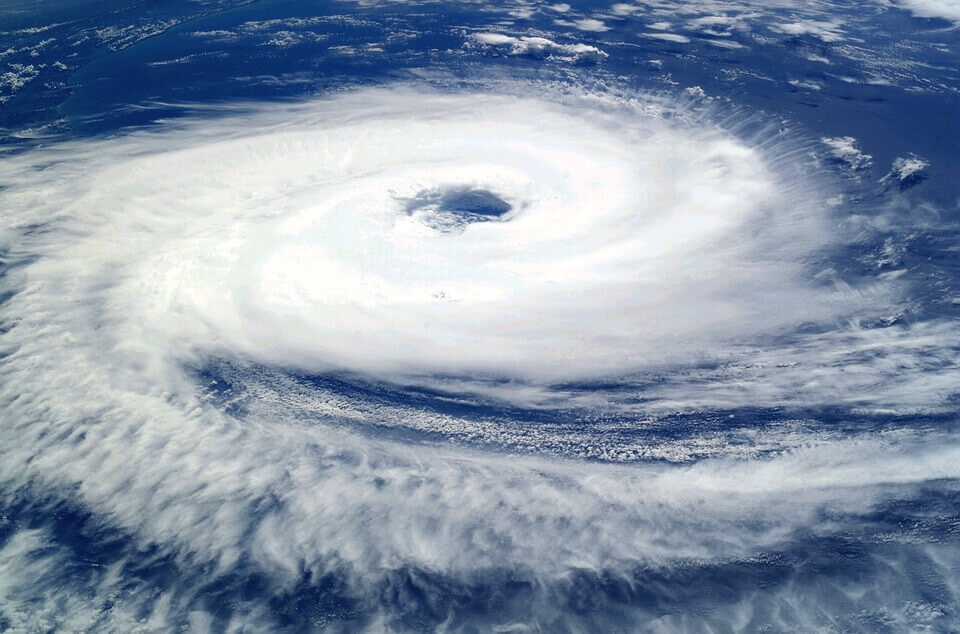
A significant aspect of living in the Caribbean is hurricane preparedness. Hurricane season is between June 1st and November 30th. August, September, and early October are the months with the highest risk. During this time, Bahamas residents take precautions such as keeping updated on weather reports and predictions, having an evacuation plan and paying attention to government regulations regarding warnings.
Extra Tips on Caribbean Living
If you’re convinced that moving abroad to the Bahamian islands is the right choice, follow this guide to help you get all of your things. To help make your international relocation a little easier, here are a few extra tips you can use:
- If you can help it, you’ll want to rent somewhere within walking distance of the local town center. There aren’t many forms of public transportation and taxi services, and cars are expensive,
- Be sure to stock up on new clothing before you go. Aside from vendors, you won’t find many places to shop,
- Try not to eat out so much. There isn’t a large variety of places to eat, and you’ll most likely be eating at the same places,
- Unless you plan on shipping a car overseas, be prepared for taking a lot of buses when you get there.
It may seem like a pipe dream at first, but it’s doable if you want to live the islander lifestyle. For that reason, calling an overseas shipping company like Sunset will be the best way to relocate and start a brand-new life. We offer more than plain old overseas moving company services.
Our benefits include professional packing services in various forms, added travel and relocation insurance, and free storage unit service for an entire month. The Bahamas are waiting for you, and all you have to do is contact us via our website and ride off into the sunset with Sunset.
Frequently Asked Questions About Moving to The Bahamas
The requirements for moving to the Bahamas depend on your purpose of stay—whether it’s work, retirement, or investment. U.S. citizens can enter visa-free for up to 90 days, but long-term relocation requires a residence permit or work visa. You’ll need valid passports, proof of income, and sometimes a police background check. Property owners may qualify for an annual residency permit. It’s best to apply through the Bahamas Department of Immigration for accurate processing. Preparing documentation early ensures a smooth transition when moving to the Bahamas.
When moving to the Bahamas, applying for a visa or residence permit is one of the first steps. The most common options include the Homeowner’s Card, Annual Residence Permit, or Permanent Residency for investors. Applications typically require financial proof, background clearance, and passport copies. Submit forms through the Bahamas Consulate or Department of Immigration. Processing can take several weeks, so apply well in advance. Understanding your visa options helps make moving to the Bahamas simple and stress-free.
When moving to the Bahamas, some of the best places to live include Nassau, Paradise Island, and Exuma. Nassau offers convenience and expat-friendly amenities, while Exuma and Abaco attract those seeking tranquility and natural beauty. Grand Bahama Island is popular for its balance between affordability and modern living. Each island has its own charm depending on lifestyle preferences. Research local infrastructure, healthcare access, and transportation before choosing. Exploring different islands helps you find your perfect home when moving to the Bahamas.
The cost of living for Americans moving to the Bahamas is generally higher than in the U.S., especially for imported goods. Housing, food, and utilities can be costly, but tax advantages offset some expenses. Local produce and seafood can help reduce grocery bills. Expats often find that living outside of Nassau or Paradise Island lowers monthly costs. Healthcare and schooling may also require private options. Budgeting realistically ensures financial comfort when moving to the Bahamas long-term.
Healthcare in the Bahamas is a mix of public and private options, with private hospitals offering higher-quality care. When moving to the Bahamas, most expats choose international or local private health insurance. Facilities in Nassau and Freeport are well-equipped, but smaller islands may have limited medical services. Consider supplemental evacuation coverage for emergencies requiring care abroad. Bring medical records and prescriptions with you for convenience. Planning ahead ensures you have access to reliable healthcare throughout your stay.
Finding housing when moving to the Bahamas involves researching local real estate listings or working with relocation agents. Rental options range from beachside condos to family villas, depending on your budget and location. Expats often start with short-term rentals before committing to long-term leases. Review property contracts carefully to understand utility costs and maintenance responsibilities. Islands like Nassau and Exuma offer both luxury and affordable housing markets. Starting early gives you more options and better deals.
Yes, it is possible to bring pets when moving to the Bahamas, but there are specific requirements and procedures that must be followed. Pets must be properly vaccinated, have a valid health certificate issued by a licensed veterinarian, be microchipped, and be accompanied by an import permit issued by the Bahamian Ministry of Agriculture and Marine Resources. It is recommended to contact the Bahamian embassy or consulate in the individual’s home country to obtain more detailed information on the requirements and procedures for bringing pets.
The job market for Americans moving to the Bahamas is competitive and highly regulated. Work permits are required for foreign nationals, and Bahamian citizens are prioritized for local jobs. Opportunities exist in tourism, finance, and education sectors. Employers usually apply for work permits on behalf of expat hires. Entrepreneurship and remote work are also viable options. Researching employment laws before moving to the Bahamas helps ensure compliance and success.
Moving to the Bahamas from another country requires an understanding of the cultural differences that may affect your daily life. Some key differences to consider include the Bahamian people’s laid-back and friendly attitude, their love for festivals and celebrations, their use of Bahamian Creole English as the primary language, and their preference for a slower pace of life. Additionally, their cuisine, music, and art are influenced by African, European, and American cultures. Understanding and respecting these cultural differences can help make your transition smoother and more enjoyable.
Preparing for moving to the Bahamas involves coordinating shipping, schooling, and personal logistics well in advance. Choose reputable international movers experienced with customs regulations. Factor in duties and import fees for household goods. For families, research international or private schools in Nassau and Grand Bahama. Arrange school enrollment and housing before your move date. Planning ahead makes the entire relocation process smoother for both adults and children.
One major benefit of moving to the Bahamas is the lack of income, capital gains, or inheritance tax. This makes it an attractive destination for retirees and remote professionals. However, U.S. citizens must still file federal taxes while living abroad. The Bahamas does impose import duties and value-added taxes on goods and services. Understanding both U.S. and Bahamian tax obligations prevents financial surprises. Consulting a cross-border tax advisor ensures full compliance.
The Bahamas is generally safe, but Americans moving there should exercise common sense and caution. Petty theft can occur in tourist areas, so secure belongings and avoid isolated spots at night. Communities are friendly, and expats report feeling welcomed. Choose well-populated neighborhoods with reliable infrastructure. Register with the U.S. Embassy for travel alerts and safety resources. Staying aware and connected ensures a secure living experience in the Bahamas.
Families moving to the Bahamas have access to both public and private schools, with private institutions often offering higher standards. International schools in Nassau and Freeport follow U.S. or British curriculums. Tuition costs vary but are generally affordable compared to U.S. private schools. Some families also choose homeschooling or online education programs. Research admission requirements early to secure a spot. Educational planning is key for a smooth family transition abroad.
After moving to the Bahamas, opening a local bank account simplifies daily life and financial management. Bring your passport, proof of residency, and reference letters from your current bank. Many institutions require an in-person meeting to verify documents. Choose from major banks like RBC, Scotiabank, or CIBC FirstCaribbean. Having a local account makes paying bills and receiving funds more convenient. This step helps establish financial stability as an expat.
The Bahamas offers a tropical climate ideal for Americans moving there. Expect warm temperatures year-round with mild winters and humid summers. Hurricane season runs from June to November, so weather preparedness is essential. Lightweight clothing, sunscreen, and insect repellent are must-haves. Many expats enjoy outdoor living and beach activities throughout the year. Adapting to the island climate adds to the relaxed Bahamian lifestyle.
Yes, retiring in the Bahamas is popular for Americans seeking warmth, beauty, and tax advantages. The government offers a special residency program for property owners and retirees. The cost of living varies by island, but many find it comparable to major U.S. cities. Healthcare and imported goods can be expensive but are offset by lifestyle quality. Engaging with expat communities helps retirees integrate easily. With preparation, moving to the Bahamas can be a dream retirement destination.
When moving to the Bahamas, choose an international shipping company experienced in island relocations. They can guide you through customs paperwork and import duties. Label boxes clearly and create an inventory for easy tracking. Ship essential items early to ensure timely delivery. Keep valuables and important documents with you during travel. Proper coordination prevents delays and damage to your belongings.
The pros of moving to the Bahamas include warm weather, friendly locals, and no income tax. Expats enjoy beachside living, cultural diversity, and a strong expat network. However, the higher cost of living, limited job market, and hurricane risks can be downsides. Importing goods and healthcare expenses may also require careful budgeting. Many find the lifestyle benefits outweigh the challenges. With preparation, the Bahamas offers a rewarding experience for American expats.