

If the relocation madness got you feeling overwhelmed, there’s no need to worry. Say hello to your new best friend in the world of chaos – the moving binder organizer. This nifty little tool is about to become your trusty sidekick and your organizational guru all rolled into one. With the power to transform your experience from chaos to calm, here’s everything you need to know about this handy tool.
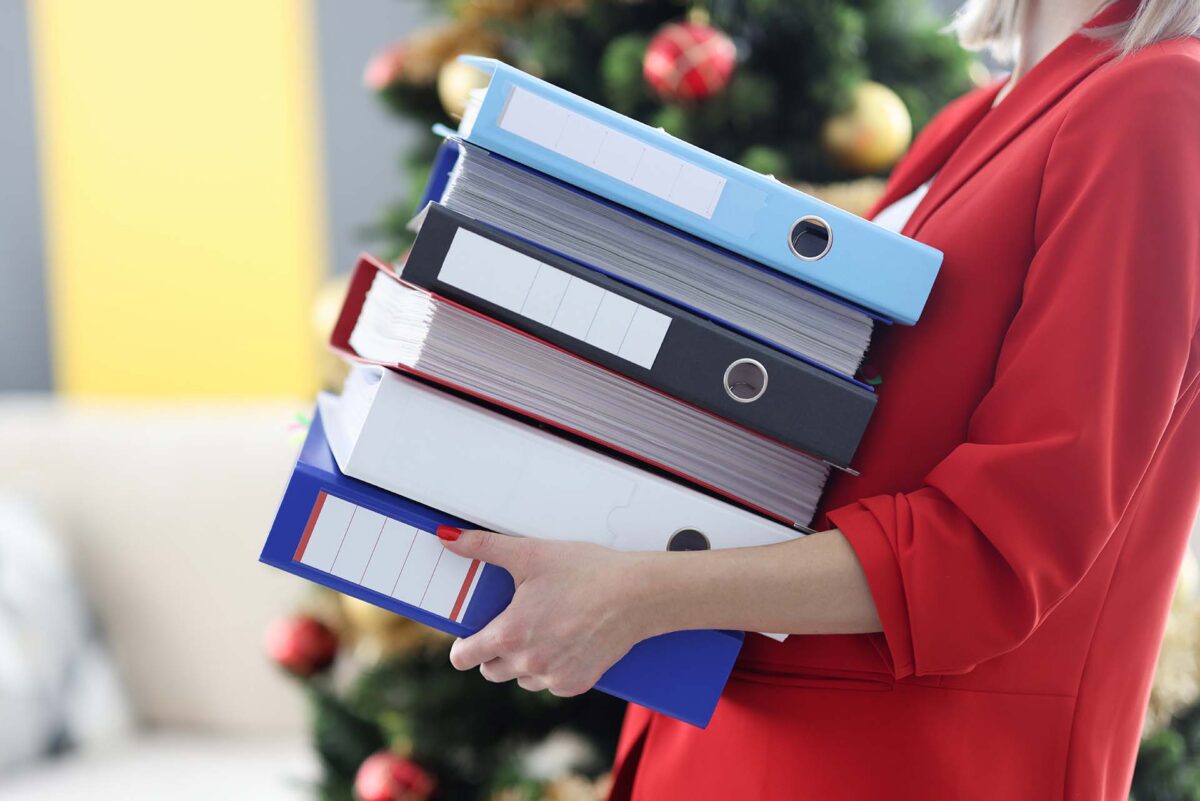

A moving binder is an essential tool for streamlining the entire relocation process. It should include separate sections such as the checklist, inventory, important contacts, financial documents, and information about your chosen movers. The most important thing is to keep it customized and regularly updated, as well as take time to create digital backups for added security.
What Is the Purpose of a Moving Binder
When it comes to relocating efficiently, having a binder is like having a secret weapon in your back pocket. This seemingly humble tool serves as the ultimate central hub for organizing and storing all your important moving-related documents.
This Special Folder Is the Key to Organizing Your Move
No matter if you’re moving overseas or just down the street, organizing your move well is the key to a smooth transition. In that regard, this special relocation folder is like a control center where you can track tasks, keep essential information at hand, and maintain a structured approach amidst the whirlwind of madness.
Clearly, this handy tool is much more than your average relocation to-do list. From different checklists to inventory sheets and budget trackers, it becomes your trusted companion throughout the entire journey, helping you stay on top of things. So, whether you’re a meticulous planner or trying to survive a last-minute relocation, taking the time to create a moving binder is definitely a game-changer.

Step-By-Step Instructions for Creating a Moving Binder
Whether you’re starting to pack for the move or planning the unpacking in your new home, having this special folder by your side is more than worth it. But what do you actually need to create it? First things first, here’s a list of essential supplies you’ll need:
- A sturdy binder,
- Dividers in different colors,
- Sheet protectors,
- Adhesive relocation labels,
- Sticky notes,
- Pens and highlighters,
- Paper clips.
The Key to Having a Well-Organized Folder Is Customization
To maintain order in the midst of the chaos that comes with moving internationally, keep this handy tool easily accessible and update it regularly, crossing off completed tasks and adding new ones as they arise.
Just remember – everyone’s journey is unique, so it’s crucial to create a system that works best for you. Consider color-coding, using tabs or sticky notes for quick reference, or adding additional sections based on your specific requirements. The more customized it is, the easier it will be to navigate and find the information you need when you need it. Here’s a helpful video to further guide you through the whole ordeal:
Essential Sections Every Binder Should Have
While customization is vital for a well-organized experience and an efficient packing process, there are certain sections that every relocation folder should include, no matter if you’re planning to move to a big city or a smaller home in the suburbs.
These core sections serve as a foundation for your organizational system, ensuring you cover the essential aspects of the whole ordeal. Let’s explore these must-have sections that will keep you on top of your game during the relocation process:
A comprehensive relocation checklist is the heartbeat of your relocation folder. This section provides a roadmap of tasks, reminding you of everything that needs to be done before, during, and after the move.
It’s best to break down this checklist into specific categories, such as packing, utilities, address changes, and cleaning. Include deadlines and mark completed tasks to track your progress and maintain a sense of accomplishment as you check off items.
The inventory section is crucial for keeping track of your belongings, from the packed clothes to your most fragile items. Once you’ve decided what you want to get rid of and donate to Goodwill, use this space to create a detailed list of items you’re bringing with you, along with their condition, special instructions, and box labels.
A well-maintained inventory will help you stay organized during packing and unpacking, as well as serve as documentation for insurance purposes or in the event of any disputes. It also comes in handy if you plan on keeping some of your items in a storage facility of your chosen overseas shipping company.
In this section, compile all the essential contact information related to your move. Include your relocation company’s details, utility providers, real estate agents, landlords, and any other relevant parties.
Having this information readily available will save you valuable time and effort when you need to make inquiries or update necessary parties. But that doesn’t mean you can’t add some contacts that are important to you personally, like a list of people you want to notify when relocating or friends you want to keep in touch with.
Dedicating a section to financial documents is important for keeping track of your expenses, especially if you’re relocating on a low budget. Store receipts, estimates, invoices, and other relevant paperwork in this section.
Last but not least, create a section specifically for the information of the international moving company you’ve hired. Keep a copy of the company’s contract, terms and conditions, and any correspondence related to the packing services they’re providing.
This section will serve as a quick reference for important details and will be useful in case you need to address any issues or concerns that may arise. Truth be told, when shipping overseas is involved, you never really know what could happen.
There Are Different Ways to Use the Binder
Once you have this handy folder set up, it’s essential to maximize its organizational potential and ensure that nothing gets lost or misplaced during the process. First and foremost, by using the same format throughout it, you can create a sense of organization and make it easier to locate specific items or documents needed to travel abroad.
It’s also important to dedicate time on a regular basis to review and update the information contained within. As you complete tasks or receive new documents, promptly file them in the appropriate sections. And remember – always keep this folder within reach, no matter if you’re stocking up on packing materials or already preparing for movers to come.



It’s Essential Even When You’re Working With Professionals
Hiring a reputable overseas moving company such as Sunset International Shipping is a good way to save yourself the trouble and all that relocation stress. However, having this special folder by your side remains invaluable, as it can provide you with an additional layer of reassurance.
Moreover, this handy folder can serve as a valuable tool for effective communication with your movers. You can reference important details, such as the contract or any additional requests or instructions you have. By having this information readily available, moving abroad will truly be a breeze.

You Can Create Digital Options and Backup
In today’s digital era, it’s possible to enhance the convenience and security of your important documents by incorporating digital options and backups. It’s a good idea to create a digital version of this relocation folder by scanning and saving everything you need as digital files, as well as organizing them into different categories for easy access.

Mishaps can occur, so creating backups and duplicates of important documents is crucial. Store them in a separate location or share them with a trusted person. There are also specialized apps that could help you organize – Sortly, MoveAdvisor, TaskRabbit, and many more. Try some of them, and you’ll surely find one that suits your needs.

With a Detailed Binder, Your International Move Will Be Smooth
Now that you’ve got the ultimate secret weapon for a seamless transition, you’re ready to conquer the challenges of relocation like a pro. Remember, customization is the name of the game, so make sure you tailor the folder to suit your unique needs and preferences.
And speaking of trusty sidekicks, if you’re in need of professional movers to handle the job for you, contact Sunset International Shipping and book our international moving services. As we work our magic, you’ll have plenty of time to stay organized and prepare for this new and exciting chapter in your life.
FAQ
You should start creating your Moving Binder at least six to eight weeks before your move to ensure everything stays organized. Starting early allows you to gather quotes, schedules, and important documents without last-minute stress. Include checklists for packing, address changes, and utility setup. The moving binder helps track progress and prevents missed deadlines. Early preparation also gives you time to adjust plans as needed. A well-prepared binder is your roadmap to a smooth relocation.
To keep your moving binder secure during the move, always store it in a waterproof and easily accessible bag. Label it clearly and keep it with you, not in the moving truck. Include backup copies of crucial documents in digital form for added security. Using sheet protectors and dividers prevents papers from tearing or getting lost. Make sure everyone involved knows where the binder is located. A protected moving binder ensures vital information is safe throughout the relocation.
Yes, sharing your moving binder with family members or helpers can make the relocation process more efficient. The moving binder serves as a central source of truth for tasks, contacts, and timelines. Everyone can access their responsibilities without confusion or overlap. Consider creating copies or digital access through cloud storage for easy collaboration. Clear communication ensures all parties stay on track. A shared moving binder fosters teamwork and accountability during the move.
Creating separate moving binders for large or complex relocations can be helpful for organization. For example, one binder can focus on packing and inventory, while another handles finances and utilities. This division prevents clutter and confusion when managing multiple tasks. For smaller moves, a single comprehensive binder may suffice. The key is to keep all relevant details clearly labeled and categorized. Separate moving binders are most useful for multi-property or business relocations.
Yes, organizing your moving binder checklist by different areas of the house improves efficiency and clarity. Divide sections by rooms such as kitchen, bedroom, and garage for focused packing. This allows you to track progress and identify missing items easily. It also simplifies unpacking in your new home. Adding sub-sections for fragile or priority items ensures nothing gets overlooked. A detailed moving binder checklist keeps the entire household transition smooth and stress-free.
Organize receipts and invoices in your moving binder by using labeled pockets or plastic sleeves in the financial section. Keep categories like moving company payments, storage, and supplies separate for easy access. This helps you track expenses for budgeting and tax deductions. Always include digital backups for additional safety. Record payment dates and contact details on a summary sheet inside the section. Proper organization within the moving binder ensures complete financial transparency.
Yes, including utility setup information in your moving binder is essential for a seamless transition. Create a section for electricity, water, gas, and internet setup details. Record account numbers, contact names, and activation dates for quick reference. Keep copies of confirmation emails or receipts for proof of service. This preparation prevents delays when settling into your new home. With a well-documented utility section, your moving binder becomes a powerful relocation tool.
Including medical records and prescriptions in your moving binder is highly recommended for safety and convenience. Create a secure section for health insurance details, doctor contacts, and medication lists. If you have children or pets, add their vaccination records as well. Keep this section protected and easy to reach during the move. Having these documents on hand can be invaluable in case of emergencies. A thorough moving binder ensures your health information travels safely with you.
Keeping a physical copy of your moving binder is still necessary even if you have a digital version. Paper copies provide quick access during travel or power outages. However, supplementing with a cloud-based or USB backup ensures nothing is lost. Physical and digital versions work best when used together. Store the binder in a waterproof case and the digital file on secure cloud storage. This dual approach guarantees your moving binder remains accessible and reliable at all times.
Once the move is complete, repurpose your moving binder for post-move organization and documentation. Keep warranty papers, home repair contacts, and utility confirmations inside for future reference. You can also convert it into a “home management binder” to track maintenance schedules. Reviewing what worked and what didn’t helps prepare for future relocations. Shred outdated or sensitive papers you no longer need. A completed moving binder becomes a valuable record of your successful move.
Your moving binder should include essential documents such as contracts, moving quotes, receipts, checklists, and identification copies. Add sections for housing leases, financial records, and insurance policies. Having everything in one place simplifies tracking and decision-making. Organize documents chronologically or by category for clarity. Keep duplicates in digital format for added protection. A well-prepared moving binder ensures no vital paperwork gets misplaced during your move.
Customizing your moving binder for a long-distance move helps manage the extra details involved. Add sections for travel plans, lodging, and shipment tracking. Include emergency contacts and vehicle registration details. Label each tab by phase—pre-move, in-transit, and arrival—to simplify navigation. You can also add maps and relocation guides for quick reference. A tailored moving binder keeps you organized across every mile of your journey.
Yes, a moving binder is ideal for organizing business or office relocations. Create sections for employee checklists, equipment inventory, and IT transitions. Include copies of lease agreements, vendor contacts, and expense logs. Assign responsibility for maintaining and updating each section. Keeping all business records centralized prevents downtime and confusion. A professional moving binder makes corporate relocation efficient and stress-free.
Keeping your moving binder organized throughout the process requires regular updates and consistency. Set aside time weekly to review and file new documents. Use color-coded dividers or labels to separate major sections. Store the binder in a designated spot so everyone knows where to find it. Remove outdated papers as tasks are completed to reduce clutter. Maintaining your moving binder ensures every stage of your move stays under control.
Using a moving binder during relocation offers structure, clarity, and peace of mind. It keeps all essential documents and timelines in one place, reducing chaos on moving day. The binder helps track finances, inventory, and contact details easily. It also simplifies communication among family members or movers. Whether digital or physical, it serves as your personal moving command center. A well-maintained moving binder transforms relocation from stressful to seamless.